Ditapis dengan

Psikologi Remaja
Untuk memahami jiwa remaja dan mencari solusi yang tepat bagi permasalahannya, maka penting bagi kita memahami remaja dan perkembangan psikologinya, yaitu konsep diri, intelegensi, emosi, seksual, motif sosial, dan religinya. Buku ini dapat menjadi referensi yang penting bagi mahasiswa, pendidik, konsultan, dan aparat yang berkecimpung dalam permasalahan remaja, serta yang tidak kalah pentingny…
- Edisi
- Cetakan ke-1
- ISBN/ISSN
- 979 421 197 4
- Deskripsi Fisik
- xxii + 322 hlm.; 21 cm.
- Judul Seri
- -
- No. Panggil
- 155.5 SAR p

Beberapa Segi Perkembangan Sejarah Pers Indonesia
Sangat penting peranan dan partisipasi Pers Indonesia dalam pembangunan. Untuk mengetengahkan pertumbuhan dan perkembangan serta peranan Pers Indonesia dari masa ke masa, maka diterbitkanlah buku ini.
- Edisi
- -
- ISBN/ISSN
- 9797090132
- Deskripsi Fisik
- xxx + 418 hlm.; 21 cm.
- Judul Seri
- -
- No. Panggil
- 070.598 BEB b
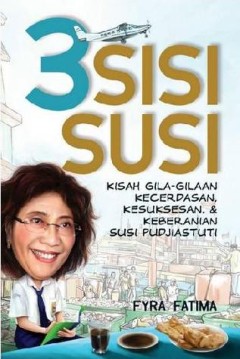
3 Sisi Susi: Kisah Gila-gilaan, Kecerdasan, Kesuksesan, dan Keberanian Susi P…
usi Pudjiastuti menjadi perhatian publik ketika namanya digadang sebagai salah satu calon menteri dalam Kabinet Kerja. Saat pertama kali muncul , banyak yang memandang dirinya sebelah mata karena hanya lulusan SMP. Beragam pandangan muncul dalam mendeskripsikan sosok Menteri Kelautan dan Perikanan ini. Ada yang menganggapnya sebagai pahlawan bidang kelautan, karena kebijakan- kebijakannya membe…
- Edisi
- Cetakan ke-1
- ISBN/ISSN
- 979 065 239 9
- Deskripsi Fisik
- viii + 172 hlm.; 21 cm.
- Judul Seri
- -
- No. Panggil
- 923.2 FAT t
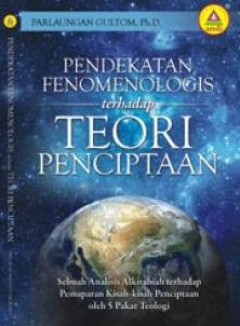
Pendekatan Fenomenologis Terhadap Teori Penciptaan: Sebuah Analisis Alkitabia…
Dalam buku ini, penulis memberikan analisa mengenai pemaparan kisah-kisah penciptaan oleh lima pakar teologi. Masing-masing pakar menyatakan pandangan mereka mengenai cerita penciptaan. Secara umum, cerita penciptaan dalam Kejadian 1–2 diterima sebagai fakta historis oleh gereja Kristen. Adapun pakar-pakar tersebut adalah Gerhard Von Rad, Claus Westemann, Brevard S. Childs, Walter Brueggemann…
- Edisi
- Cetakan ke-1
- ISBN/ISSN
- 978 979 29 6418 9
- Deskripsi Fisik
- x + 342 hlm.; 23 cm.
- Judul Seri
- -
- No. Panggil
- 225 GUL p
Teologi Misi: Dari Missio Dei Menuju Missio Ecclesia
Misi adalah inisiatif Allah. Misi dimulai sejak manusia diciptakan. Oleh karena itu, misi harus bergantung pada Allah. Melalui misi, Allah menyatakan bahwa Dia bukan hanya Allah orang Israel, tetapi juga bangsa lain. Allah berkehendak supaya manusia menyembah-Nya sehingga Dia melakukan rekonsiliasi. Misi Allah juga tetap berlanjut dalam kehidupan para patriakh (bapa leluhur). Ada kalanya misi A…
- Edisi
- Cetakan ke-5
- ISBN/ISSN
- 978 979 29 5788 4
- Deskripsi Fisik
- vi + 394 hlm.; 25 cm.
- Judul Seri
- -
- No. Panggil
- 266 HAR t
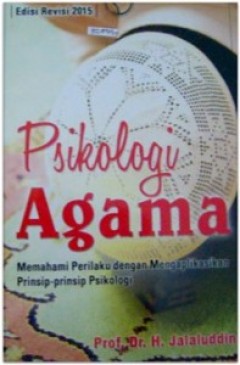
Psikologi Agama: Memahami Perilaku dengan Mengaplikasikan Prinsip-prinsip Psi…
- Edisi
- Edisi Revisi
- ISBN/ISSN
- 978-979-769-817-1
- Deskripsi Fisik
- x + 398 hlm.; 23 cm.
- Judul Seri
- -
- No. Panggil
- 200.19 JAL p
- Edisi
- Edisi Revisi
- ISBN/ISSN
- 978-979-769-817-1
- Deskripsi Fisik
- x + 398 hlm.; 23 cm.
- Judul Seri
- -
- No. Panggil
- 200.19 JAL p
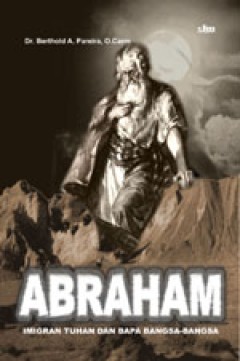
Abraham: Migran Tuhan dan Bapa Bangsa-Bangsa
Tokoh Alkitabiah yang paling ekumenis adalah Abraham. Sebagai "Imigran Tuhan dan Bapa Bangsa-Bangsa", Abraham dapat mempertemukan tiga agama besar yakni Yahudi, Kristen, dan Islam. Abraham tidak hanya menjadi Bapa leluhur Israel, tetapi juga Yesus Kristus. Buku ini ditulis dengan tujuan pastoral agar pembaca makin mengenal Abraham dengan lebih baik dan merenungkannya lebih mendalam.
- Edisi
- Cetakan ke-4
- ISBN/ISSN
- 9793500271
- Deskripsi Fisik
- xi + 301 hlm.; 21 cm.
- Judul Seri
- -
- No. Panggil
- 222.11092 PAR a
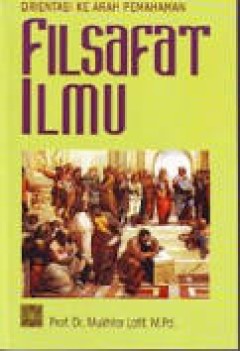
Orientasi Ke Arah Pemahaman Filsafat Ilmu
Secara personal manusia memiliki keterbatasan pemahaman hanya pada tataran nalar dan logika, pengalaman hidup, dan bahan bacaan yang pernah melekat dalam ingatan (benak) memori sadar dalam rentang kehidupan. Berdasar pandangan filosofis, ilmu yang dimiliki seseorang hanya sebatas pengalaman dan langkah hidupnya; pengetahuan seseorang hanya sebatas kata dan kalimat yang pernah dibacanya; kecakap…
- Edisi
- Cetakan ke-2
- ISBN/ISSN
- 9786027985681
- Deskripsi Fisik
- xiv + 340 hlm.; 23 cm.
- Judul Seri
- -
- No. Panggil
- 121 LAT o

Theologi Proper: Menjelaskan Pribadi Allah yang Benar Hidup dan Absolut
- Edisi
- Cetakan ke-1
- ISBN/ISSN
- 9789792949780
- Deskripsi Fisik
- x + 390 hlm.; 23 cm.
- Judul Seri
- -
- No. Panggil
- 212 SIT t
- Edisi
- Cetakan ke-1
- ISBN/ISSN
- 9789792949780
- Deskripsi Fisik
- x + 390 hlm.; 23 cm.
- Judul Seri
- -
- No. Panggil
- 212 SIT t
Keluarga Rumah Belas Kasih Allah: Refleksi Pertemuan Pastoral Regio Nusa Teng…
- Edisi
- Cetakan ke-1
- ISBN/ISSN
- 9786026336767
- Deskripsi Fisik
- 232 hlm.; ils.; 23 cm.
- Judul Seri
- -
- No. Panggil
- 248.4 FOR k
- Edisi
- Cetakan ke-1
- ISBN/ISSN
- 9786026336767
- Deskripsi Fisik
- 232 hlm.; ils.; 23 cm.
- Judul Seri
- -
- No. Panggil
- 248.4 FOR k
 Karya Umum
  Filsafat
  Agama
Agama  Ilmu-ilmu Sosial
  Bahasa
  Ilmu-ilmu Murni
  Ilmu-ilmu Terapan
  Kesenian, Hiburan, dan Olahraga
  Kesusastraan
  Geografi dan Sejarah